The Ultimate Guide To Buying Koi Fish Online
Apr 14th 2026

Apr 14th 2026
Adding koi to a pond sounds simple at first. Pick a fish you like, bring it home, and let it settle in. Real pond ownership doesn’t work that way. Koi grow, change, develop, and place real demands on the environment around them. A strong purchase starts long before the fish reaches the water.
That’s why we look at koi selection as part beauty, part planning, and part long-term care.
A fish may catch your eye in a bowl or on a screen, though the right choice also depends on health, source, age, breeder background, pond space, filtration, and how well that fish fits your goals.
Some people want a few bright pond favorites they can enjoy every day. Others want to build around specific lines, varieties, and breeder names.
Both approaches can work if the fish are chosen carefully, something that starts by first understanding the different breeds and characteristics of these beautiful fish.
Here’s what you need to know before bringing koi home. A smart start helps protect your pond, your time, and your investment.
Koi aren’t typical pond fish. They live for years, can reach impressive sizes, and become part of the pond's whole identity. A rushed choice can create stress for the fish and headaches for the owner.
A small tropical fish purchase usually doesn’t affect an entire outdoor system. Koi do. Their size, waste load, feeding needs, and long-term growth all connect back to pond depth, aeration, filtration, and stocking levels. One weak decision can ripple through the pond's water quality and overall balance.
That’s also why appearance alone shouldn’t lead the process. A beautiful pattern matters, though body shape, skin appearance and texture, behavior, and source matter just as much. We always encourage pond owners to think ahead.
Ask how the fish will look later.
Ask where it came from.
Ask whether your pond is truly ready.
That kind of patience pays off.
The first decision usually comes down to style. Some koi bring bold contrast. Some add metallic shine. Some create a calm, soft look in the water. Others have a dramatic presence that changes the whole feel of the pond.
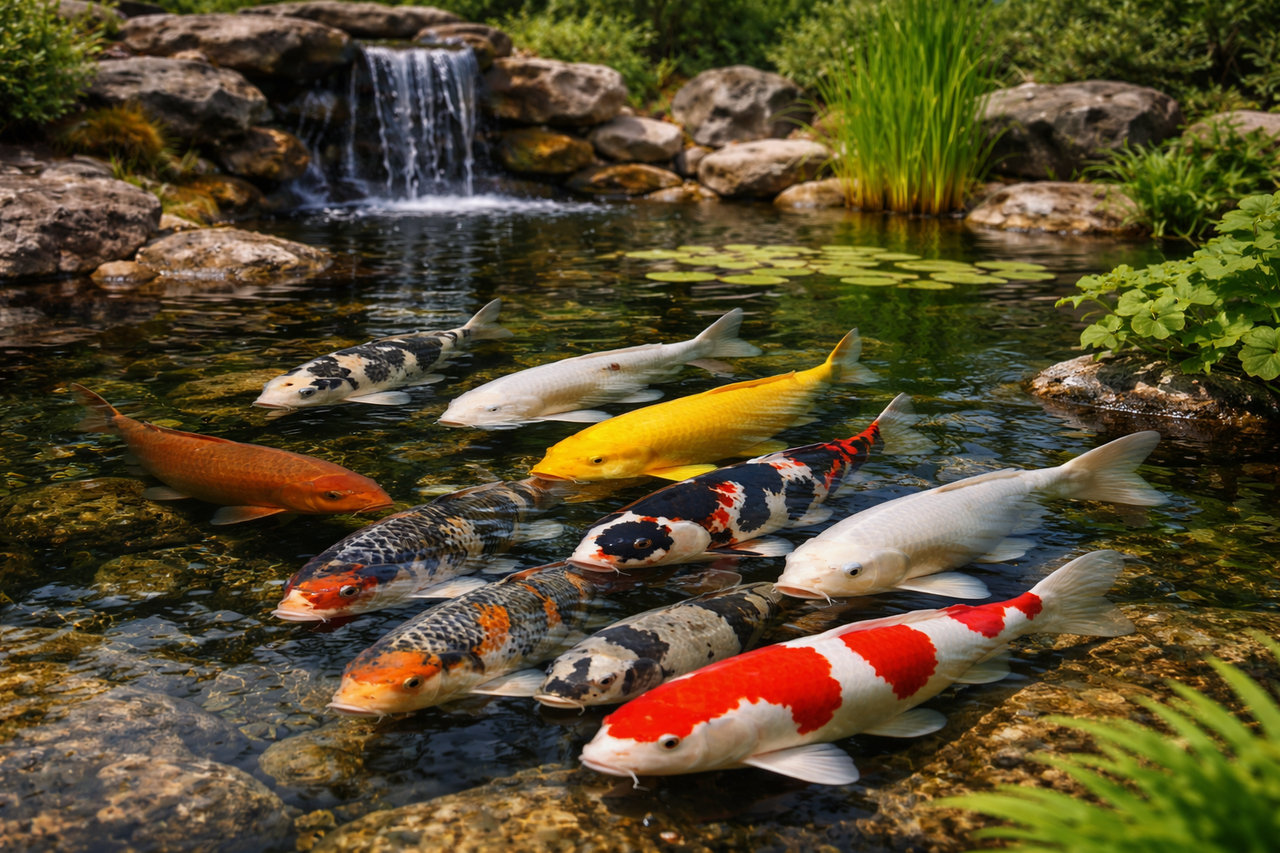
Classic choices like Kohaku, Sanke, and Showa remain popular for a reason. They’re timeless, easy to appreciate, and often become the fish people remember most.
For that matter, Shiro Utsuri and Hi Utsuri bring a strong contrast and a little more visual drama.
Meanwhile, Chagoi and Karashigoi are loved for their presence, growth potential, and personable nature.
And, don’t forget, Yamabuki Ogon and Platinum Ogon stand out fast because they catch the light so well.
What’s more, varieties such as Goshiki, Asagi, Ochiba, Kujaku, and Kumonryu appeal to buyers who want greater complexity in pattern and tone.
A good approach is to picture how the fish will look in your pond, not just in a photo. Think about water depth, natural light, dark liner color, and the overall mix you want to build.
Some ponds look best with a few bold contrast fish. Others benefit from a wider spread of color, metallic sheen, and pattern types.
Many buyers see dozens of names while shopping and aren’t sure where to start. That’s normal. Learning the most popular koi varieties makes the process feel easier and more enjoyable.
Kohaku is often the first name people learn. The clean white body with red patterning has a classic look that never gets old. Sanke builds on that with black markings, while Showa brings a stronger black base and a bolder overall feel. Shiro Utsuri pairs black and white for striking contrast. Hi Utsuri offers a fiery red-orange and black look that stands out from across the pond.
Chagoi is a favorite for many pond owners because of its calm, friendly personality and dependable growth. Karashigoi brings a similar sense of size and quiet strength. Ochiba has softer, earthy tones that can make a pond look more natural and balanced.
By contrast, Yamabuki Ogon shines bright gold, while Platinum Ogon reflects light with a clean metallic white finish. Hariwake combines metallic shine with shimmering patterns; and Kujaku adds a more layered, net-like look.
Asagi remains a traditional favorite with its blue-gray scaling and gleaning, red accents. Goshiki offers depth and complexity that many collectors love. Bekko keeps things simpler with elegant spotting, and Kumonryu brings an ever-changing look that feels dramatic and unique.
These are some of the names buyers are most likely to see across our live fish collections, and they’re a great place to begin.
Size changes the buying experience more than many people expect. Small koi can be appealing because they’re often more affordable and leave room for growth and development. Larger koi give you a clearer picture of body shape, pattern placement, and overall quality.
Young fish can change quite a bit as they mature. Color can strengthen, soften, or shift. Pattern balance can feel different as the body grows. That uncertainty is part of the excitement for some buyers. Others prefer a larger fish; because there’s less guessing involved.
Your pond matters here, too; so does pond volume. For example, a newer pond owner with limited space may not want to start with too many large fish. A well-established pond with strong filtration may be ready for a more substantial addition.
We like to think in terms of fit, not just price. The right size koi is the one your pond can support, and you can enjoy it with confidence.
A healthy koi usually looks settled, balanced, and aware of its surroundings. You shouldn’t have to search for signs of strength. They should be visible right away.
Look at the way the fish moves through the water. Steady swimming is a good sign. The body should appear proportional and smooth, not pinched or awkwardly thin. Fins should be clean and open, not clamped against the body. Eyes should look clear. Skin should look clean and even. Breathing should appear calm, not labored or rapid.
Watch for overall behavior. Healthy koi tend to hold themselves well in the water. They don’t usually isolate, sink without reason, or flash repeatedly against surfaces. Common signs of disease and illness in koi include: redness, sores, ulcers, torn fins, excess slime, or visible damage… These are all signs to slow down and look more closely.
A strong fish should feel alive in the water. That may sound simple; though it’s one of the best tests there is. If the koi looks stressed, withdrawn, or compromised, consider other options.
Some warning signs are easy to miss if you’re focused only on color and pattern. That’s where buyers can get into trouble.
Cloudy water, overcrowded tanks, fish rubbing against surfaces, visible injuries, clamped fins, labored breathing, isolation from the group, or fish resting awkwardly at the bottom are all reasons to pause. So are vague answers from a seller. A source should be able to explain where the fish came from, how long it has been in their care, how it has been fed, and what observation or quarantine process it has undergone.
A low price doesn’t mean much if the fish arrives with problems. A clear system, healthy holding conditions, and transparent communication matter far more.
The source behind a koi tells you a lot before the fish ever enters your pond. Breeder reputation can shape expectations around quality, consistency, development, and long-term value. That doesn’t mean every buyer needs to become an expert overnight. It does mean the breeder and source should never be treated like small details.
Experienced koi keepers often pay close attention to bloodline, farm history, and the breeder’s reputation for certain varieties. Some farms are well known for strong Gosanke lines. Some are recognized for Utsuri, metallic koi, body confirmation, or skin quality. That background can influence how buyers assess a fish and why one koi may command a higher price than another.
Source matters just as much as the breeder name itself. A good seller should handle fish well, answer direct questions clearly, and provide confidence around origin, health, and care. That kind of transparency builds trust.
Across our breeder resources, pond owners can explore a wide range of respected names and learn more about the farms behind the fish. That research adds real value to the buying process.
Buyers don’t need to memorize every breeder's name, though it helps to become familiar with the most recognized ones. A handful of breeder names come up again and again because they’ve built strong reputations over time.
|
Koi Breeder |
About This Koi Farm |
|
Dainichi is one of the breeder names many koi buyers recognize right away. It’s a strong name to know when you’re comparing quality, body shape, and the kind of presence a koi can bring to the pond. |
|
|
Momotaro is often associated with koi that draw attention fast. Buyers who are looking at breeder background and long-term potential will usually want this name on their radar. |
|
|
Isa is a breeder name that comes up often when pond owners start researching trusted Japanese koi sources. It’s a good example of why breeder history matters during the buying process. |
|
|
Sakai is one of those names that carries weight with buyers who want more confidence in the fish they’re choosing. It’s often part of the conversation when people compare premium koi and breeder reputation. |
|
|
Omosako is a breeder name many koi enthusiasts pay attention to, especially when buyers start learning how specific farms can influence variety strength and overall appeal. |
|
|
Oyama is another valuable breeder name to know when you’re looking deeper at fish origin. It gives buyers more context as they compare koi from different farms and bloodlines. |
|
|
Shinoda is a recognized name that buyers may see while narrowing down quality koi options. It’s the kind of breeder reference that can help make shopping feel more informed. |
|
|
Torazo is a breeder many hobbyists and collectors become familiar with as they start paying closer attention to lineage, consistency, and breeder reputation. |
|
|
Marusei is a useful breeder name for buyers to know because it adds another layer of context when comparing fish beyond size and color alone. |
|
|
Kanno is part of the breeder conversation for buyers who want to understand where their koi came from and why source matters in the long run. |
|
|
Hiroi is a breeder name worth recognizing when you’re building a stronger understanding of koi origin, farm background, and fish selection. |
|
|
Konishi is another established breeder name buyers may come across while researching koi. It helps show how wide the breeder landscape can be when you start shopping more seriously. |
|
|
Maruhiro is one of the additional breeder names buyers may notice while moving beyond beginner-level shopping and learning how breeder identity can shape expectations. |
|
|
Yamasan is a helpful name to know for buyers who want a wider view of respected breeders and a better feel for the farms behind the fish. |
|
|
Marudo often comes up in breeder research and adds depth to the buying process for people who want to look beyond surface-level appearance. |
|
|
Other Breeders In Our Directory |
Buyers will also find many other breeder names in our directory, which helps show just how much depth there is behind koi selection. Getting familiar with even a few of these names can make the buying process feel much clearer. |
What matters most is understanding why breeder names come up so often. They help buyers compare fish with more context. They can point to consistency in pattern development, body shape, skin quality, and variety strengths. They can also shape collector interest and pricing expectations.
A breeder's name isn’t the only thing that matters. The individual fish still has to earn its place. Even so, knowing the major farms gives buyers a stronger foundation and helps them ask better questions.
Not every breeder is known for the same thing. Some are more closely associated with standout Kohaku, Sanke, or Showa. Others may attract attention for Utsuri, metallic koi, or fish with strong body structure and lasting skin quality.
That’s useful for buyers because breeder research turns a long list of names into something practical. You’re no longer just looking at a pretty fish. You’re looking at a fish with context. That makes it easier to compare options and understand why certain koi carry more weight in the market.
You don’t need deep knowledge of collectors to benefit from this. A little awareness of breeders goes a long way.
Koi pricing can surprise people. Two fish that seem similar at a glance may carry very different prices. Size plays a role, though it’s only part of the story.
Price often reflects breeder reputation, bloodline, age, body shape, skin quality, pattern balance, rarity, and the level of refinement the fish shows at its current stage. A young pond-grade fish may be affordable and still bring a lot of enjoyment. For example, a more developed fish from a respected breeder line may command a much higher price because its quality is easier to see and expectations are higher.
That’s why price should be viewed through the lens of value, not shock. Ask what you’re actually paying for. Are you paying for size alone, or for development, consistency, and source confidence too? That question usually leads buyers in the right direction.
The best source is the one that combines healthy stock, clear communication, responsible handling, and confidence around origin. That may be a specialty pond retailer, a breeder-connected source, a trusted dealer, or a carefully managed online seller.
Local options can be helpful because you can see fish in person. Online selections may offer greater variety and access to lines that aren’t easy to find near home. Both paths can work. The real difference comes down to quality of care and quality of information.
We always encourage buyers to slow the process down enough to ask real questions. The right source won’t dodge them.
Looking for koi from a source you can trust? Fitz’s Fish Ponds offers carefully hand-selected koi backed by clear information, thoughtful handling, and a strong connection to quality breeders. Shop online now to explore standout koi varieties, ask the right questions, and choose koi with confidence for your pond!
Online shopping has opened the door to a wider range of koi, though it also asks buyers to be more careful. Good photos matter. Recent video matters even more. Measurements should be clear. Age should be explained as accurately as possible. Breeder information should be available when relevant. Shipping policies should be easy to understand.
Ask a few direct questions before committing.
A trustworthy seller won’t make you fight for basic answers. That kind of openness is one of the strongest signs you’re looking in the right place.
Once buyers get comfortable with individual variety names, it helps to understand the broader categories they fall into.
Gosanke includes Kohaku, Sanke, and Showa, which are often treated as foundational varieties.
Utsuri types bring bold contrast and black-based patterning. Hikarimono covers metallic fish such as Ogon, Hariwake, and Kujaku.
Meanwhile, Doitsu koi have a different scale presentation that creates a cleaner, smoother appearance. And Ginrin koi feature sparkling scales that catch the light in a very different way.
|
Fish Type |
About This Breed |
Kohaku is the classic koi most people picture first, with a clean white body and bold red patterning. It’s one of the most recognized and most widely admired pond varieties, which makes it a natural starting point for many buyers. |
|
Sanke builds on the Kohaku look with the addition of black markings, giving pond owners a refined three-color fish that feels traditional and eye-catching at the same time. It remains one of the best-known koi varieties in the hobby. |
|
Showa is another member of the Gosanke group and is prized for its dramatic black base with red and white patterning. It tends to bring stronger contrast and a bolder overall presence to the pond. |
|
Shiro Utsuri is a black-and-white koi that stands out for its sharp contrast and powerful visual simplicity. Pond owners often love it because it reads clearly in the water and adds dramatic balance to a mixed collection. |
|
Chagoi is known for its warm brown coloring, strong growth, and friendly reputation among koi keepers. It may not be the flashiest fish in the pond, though it’s one of the most appreciated because of its size potential and calm presence. |
|
Yamabuki Ogon is a metallic yellow or gold koi that catches light beautifully and stays easy to spot across the pond. It’s widely recognized as one of the most popular metallic koi varieties. |
|
Platinum Ogon has a bright metallic white look that gives ponds a clean, reflective focal point. Buyers often choose it when they want a fish with high visibility and a polished, elegant appearance. |
|
Hariwake combines metallic shine with patterned color, often in yellow or orange over a lighter base. It’s a popular pond choice because it brings brightness, contrast, and a more decorative look without feeling too complex. |
|
Kujaku stands out for its metallic sheen and net-like scale pattern, giving it a layered look that catches attention fast. It’s popular with buyers who want something bright, structured, and a little more detailed visually. |
|
Asagi is one of the older and more traditional koi varieties, recognized for its blue-gray reticulated scaling and red accents. It’s a favorite for pond owners who want a quieter, more classic look with a lot of depth. |
|
Goshiki is popular for its layered coloration and changing visual depth, often blending red patterning with darker reticulation underneath. Buyers are often drawn to it when they want a koi that feels rich, textured, and a little more unusual. |
|
Ochiba is loved for its soft, earthy tones, often described as a leaves-on-water look. It’s a strong pond favorite because it adds warmth and contrast without competing too aggressively with brighter koi in the mix. |
Koi quarantine protects the fish you already own and gives new arrivals a better chance to settle in safely. It’s one of the most important steps in the entire process, and it’s one of the most commonly skipped.
A quarantine setup gives you time to observe behavior, appetite, and overall condition before mixing a new fish into the main pond. It also reduces the likelihood that an unseen issue becomes a pond-wide problem. Transport is stressful. New environments are stressful. A little separation at the start can prevent much bigger trouble later.
Skipping quarantine may save a few days of time. It can cost a lot more after that.
The pond should be ready before the fish arrives. That means stable water quality, dependable aeration, proper depth, strong filtration, and enough room for the fish to live and grow.
A new purchase should never be expected to adapt to poor conditions. The environment sets the tone for everything that follows. Pond owners who prepare first usually have a much smoother experience after the fish comes home.
This is also a good time to think honestly about stocking levels. A pond that already feels full probably is.
Safe transport matters more than people think. Stress builds fast during travel, especially if temperatures swing or handling is rough.
Keep the trip smooth, shaded, and efficient. Make sure the bagging is secure and appropriate for the size of the fish. Once home, take acclimation seriously. Sudden changes in temperature and water chemistry can create unnecessary stress right after the fish has already been through a lot.
A calm trip and a careful introduction help the fish get off to a better start.
One of the biggest mistakes is choosing only with your eyes. Color matters, though it shouldn’t outweigh health, source, and pond fit. Another common mistake is buying too many fish at once. That can overload a system faster than new owners expect.
Skipping breeder research, ignoring pond capacity, rushing acclimation, trusting weak seller information, and skipping quarantine are all common problems, too. Some buyers also chase a bargain without asking why the fish is priced the way it is.
The best buying decisions usually feel steady, not rushed. That’s a good rule to remember.
The purchase day is only the beginning. Koi continue to grow, change, and place new demands on the pond over time. That means long-term success depends on water quality, filtration upkeep, seasonal awareness, feeding habits, and future planning.
Some fish will develop in ways you expected. Others will surprise you. That’s part of the enjoyment. A pond built for long-term care gives those changes room to happen well. Great koi deserve an environment that supports them year-round.
A well-chosen koi does more than add color. It changes the pond. It gives the water a stronger focal point, brings more personality to the space, and creates something you’ll notice every day.
That kind of value doesn’t come from guesswork. It comes from choosing fish with care, asking better questions, learning the varieties, understanding the breeder's background, and preparing the pond the right way. Start there, and you’ll enjoy the results a lot more for years to come.
Looking for koi that bring real beauty, presence, and lasting enjoyment to your pond? Shop koi fish online with Fitz’s Fish Ponds and explore a carefully selected collection of premium koi from trusted breeders. From classic favorites to standout varieties, each fish is chosen with visual appeal, features, personality, health, and long-term pond success in mind. Find the right koi for your pond today and shop online with confidence at Fitz’s Fish Ponds.
Shop Our Selection Now. Got questions? Talk to An Expert Online or call us at (908) 420-9908.
How Much Do Koi Fish Cost?
Koi prices can vary widely. Smaller pond-grade fish may be relatively accessible, while larger or more refined fish from respected breeder lines can cost much more. Size, age, pattern, skin quality, and source all affect the final number.
Where Is The Best Place To Buy Koi Fish?
The best place is a source that offers healthy fish, clear communication, strong handling practices, and confidence around origin. That may be a specialty retailer, a trusted dealer, a breeder-connected source, or a carefully managed online seller.
How Do I Know If A Koi Fish Is Healthy?
Look for steady swimming, clean fins, clear eyes, smooth skin, balanced body shape, and calm breathing. Avoid fish with sores, redness, clamped fins, strange isolation, or signs of stress in poor holding conditions.
Should I Quarantine New Koi Fish?
Yes, new koi should be quarantined before entering the main pond. That gives you time to observe the fish, reduce stress, and lower the risk of introducing health issues into an established system.
What Size Koi Should Beginners Start With?
That depends on the pond, filtration, and the owner's comfort level. Smaller koi may be easier on the budget, while mid-size fish often give a clearer picture of pattern and body quality. Pond readiness should guide the decision.
What Koi Varieties Are Best For Beginners?
Many beginners start with varieties that are visually appealing and easy to recognize, such as Kohaku, Sanke, Showa, Shiro Utsuri, Chagoi, and Yamabuki Ogon. The best choice is the one that fits your pond and your goals.
Why Does Koi Breeder Reputation Matter?
Breeder reputation provides buyers with more context on consistency, development, and overall quality. It can also influence price and expectations. A respected breeder's name doesn’t replace evaluating the fish, though it does add useful background.
Is It Safe To Buy Koi Fish Online?
It can be, as long as the seller is transparent and the buying process is clear. Look for recent photos or videos, accurate measurements, shipping details, health information, and honest answers to basic questions before purchase.
How Many Koi Can My Pond Handle?
There’s no one-size-fits-all answer. Pond volume, filtration, aeration, depth, and maintenance routine all matter. A pond should have enough capacity to support current fish and future growth, not just the conditions on day one.
A better koi purchase starts with better preparation. Learn the varieties. Pay attention to health. Research the breeders. Make sure the pond is ready. That approach leads to stronger fish, a more balanced pond, and a better experience from the start.
We’ve built our koi resources to help pond owners look more deeply into breeder backgrounds, fish varieties, and the details that shape long-term success. Spend time with those guides before your next addition, and you’ll make decisions with much greater clarity.
Shop Our Selection Now. Got questions? Talk to An Expert Online or call us at (908) 420-9908.
| Hours | |
|---|---|
| sunday | 10:00 AM - 4:00 PM |
| monday | Closed |
| tuesday | 10:00 AM - 5:00 PM |
| wednesday | 10:00 AM - 5:00 PM |
| thursday | 10:00 AM - 5:00 PM |
| friday | 10:00 AM - 5:00 PM |
| saturday | 10:00 AM - 5:00 PM |
| Hours | |
|---|---|
| sunday | 10:00 AM - 5:00 PM |
| monday | Closed |
| tuesday | 11:00 AM - 6:00 PM |
| wednesday | 11:00 AM - 6:00 PM |
| thursday | 11:00 AM - 6:00 PM |
| friday | 11:00 AM - 6:00 PM |
| saturday | 10:00 AM - 5:00 PM |
| Hours | |
|---|---|
| sunday | 10:00 AM - 4:00 PM |
| monday | Closed |
| tuesday | 10:00 AM - 5:00 PM |
| wednesday | 10:00 AM - 5:00 PM |
| thursday | 10:00 AM - 5:00 PM |
| friday | 10:00 AM - 5:00 PM |
| saturday | 10:00 AM - 5:00 PM |
| Hours | |
|---|---|
| sunday | 10:00 AM - 5:00 PM |
| monday | Closed |
| tuesday | 11:00 AM - 6:00 PM |
| wednesday | 11:00 AM - 6:00 PM |
| thursday | 11:00 AM - 6:00 PM |
| friday | 11:00 AM - 6:00 PM |
| saturday | 10:00 AM - 5:00 PM |
| Hours | |
|---|---|
| sunday | Closed |
| monday | 10:00 AM - 4:00 PM |
| tuesday | 10:00 AM - 4:00 PM |
| wednesday | 10:00 AM - 4:00 PM |
| thursday | 10:00 AM - 4:00 PM |
| friday | 10:00 AM - 4:00 PM |
| saturday | Closed |
| Hours | |
|---|---|
| sunday | 10:00 AM - 4:00 PM |
| monday | Closed |
| tuesday | 10:00 AM - 5:00 PM |
| wednesday | 10:00 AM - 5:00 PM |
| thursday | 10:00 AM - 5:00 PM |
| friday | 10:00 AM - 5:00 PM |
| saturday | 10:00 AM - 5:00 PM |
| Hours | |
|---|---|
| sunday | Closed |
| monday | Closed |
| tuesday | 10:00 AM - 5:00 PM |
| wednesday | 10:00 AM - 5:00 PM |
| thursday | 10:00 AM - 5:00 PM |
| friday | 10:00 AM - 5:00 PM |
| saturday | 10:00 AM - 5:00 PM |
| Hours | |
|---|---|
| Sunday | Closed |
| Monday | Closed |
| Tuesday | 10:00 AM - 5:00 PM |
| Wednesday | 10:00 AM - 5:00 PM |
| Thursday | 10:00 AM - 5:00 PM |
| Friday | 10:00 AM - 5:00 PM |
| Saturday | 10:00 AM - 5:00 PM |
| Hours | |
|---|---|
| Sunday | 10:00 AM - 4:00 PM |
| Monday | Closed |
| Tuesday | 10:00 AM - 5:00 PM |
| Wednesday | 10:00 AM - 5:00 PM |
| Thursday | 10:00 AM - 5:00 PM |
| Friday | 10:00 AM - 5:00 PM |
| Saturday | 10:00 AM - 5:00 PM |



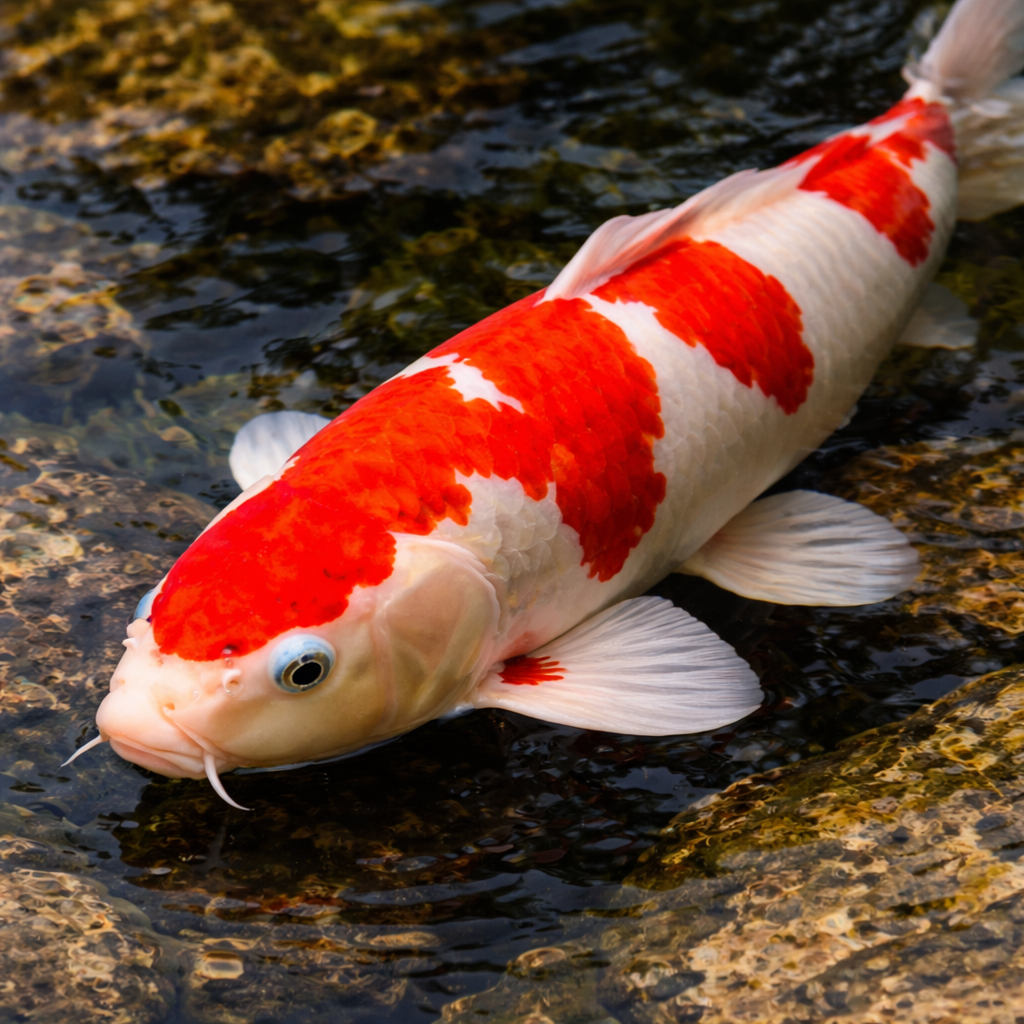 Kohaku is the classic koi most people picture first, with a clean white body and bold red patterning. It’s one of the most recognized and most widely admired pond varieties, which makes it a natural starting point for many buyers.
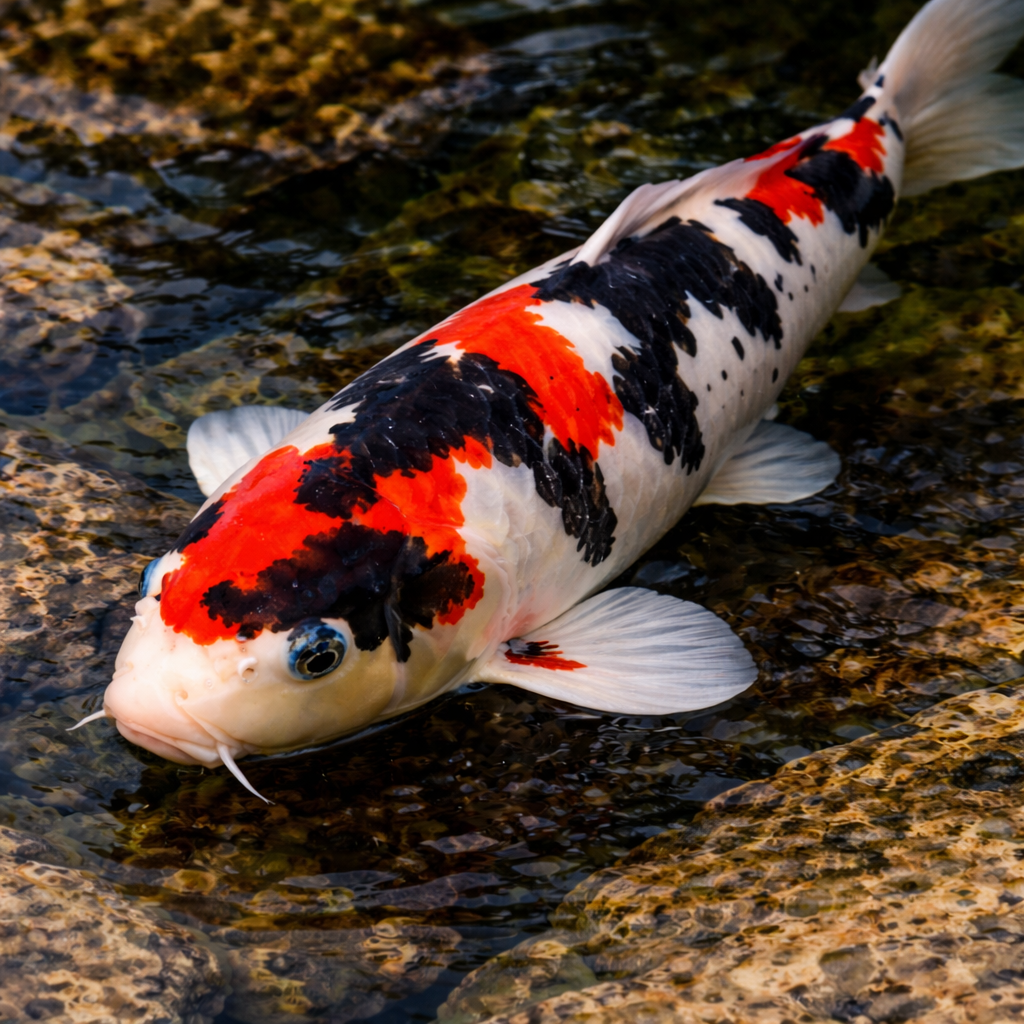 Sanke builds on the Kohaku look with the addition of black markings, giving pond owners a refined three-color fish that feels traditional and eye-catching at the same time. It remains one of the best-known koi varieties in the hobby.
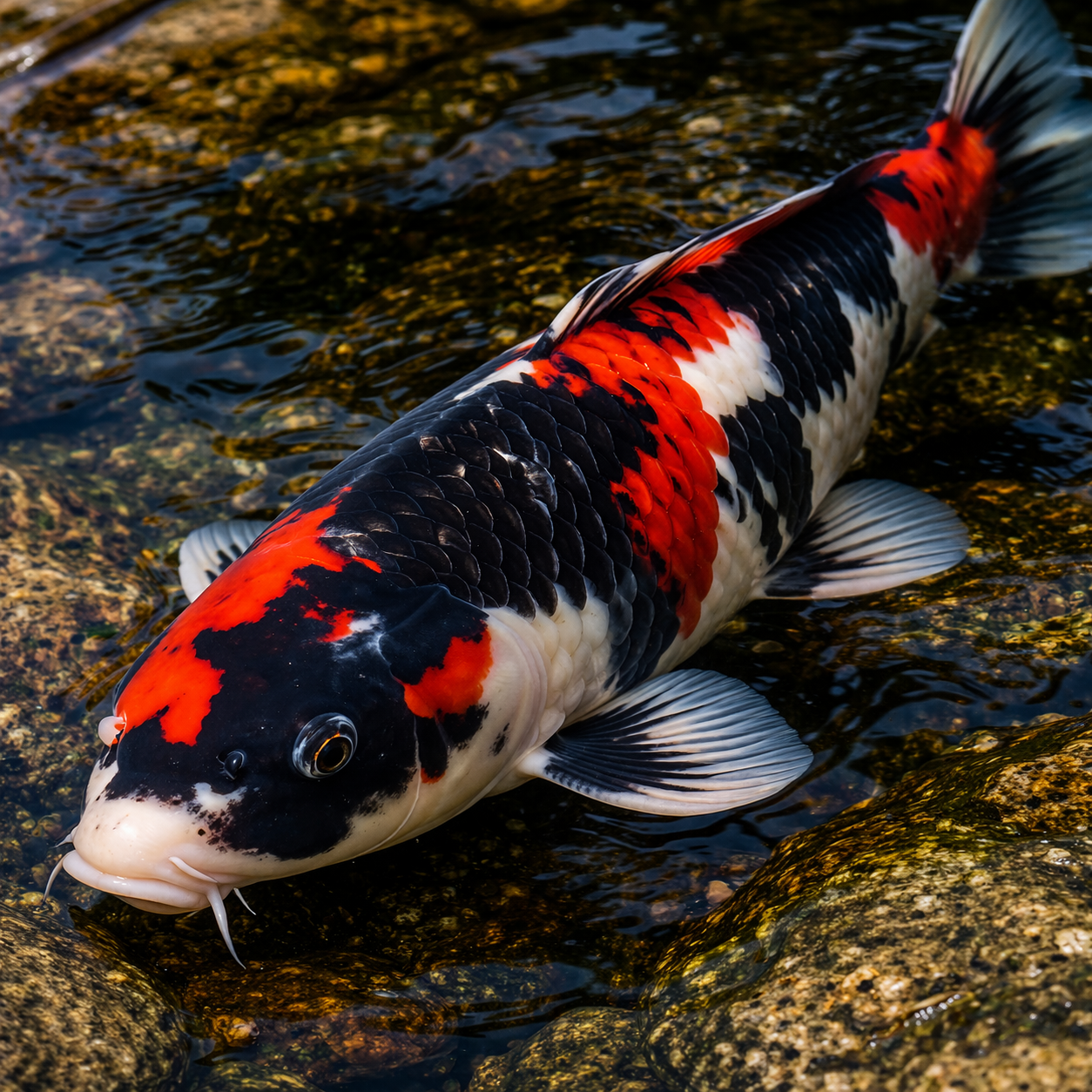 Showa is another member of the Gosanke group and is prized for its dramatic black base with red and white patterning. It tends to bring stronger contrast and a bolder overall presence to the pond.
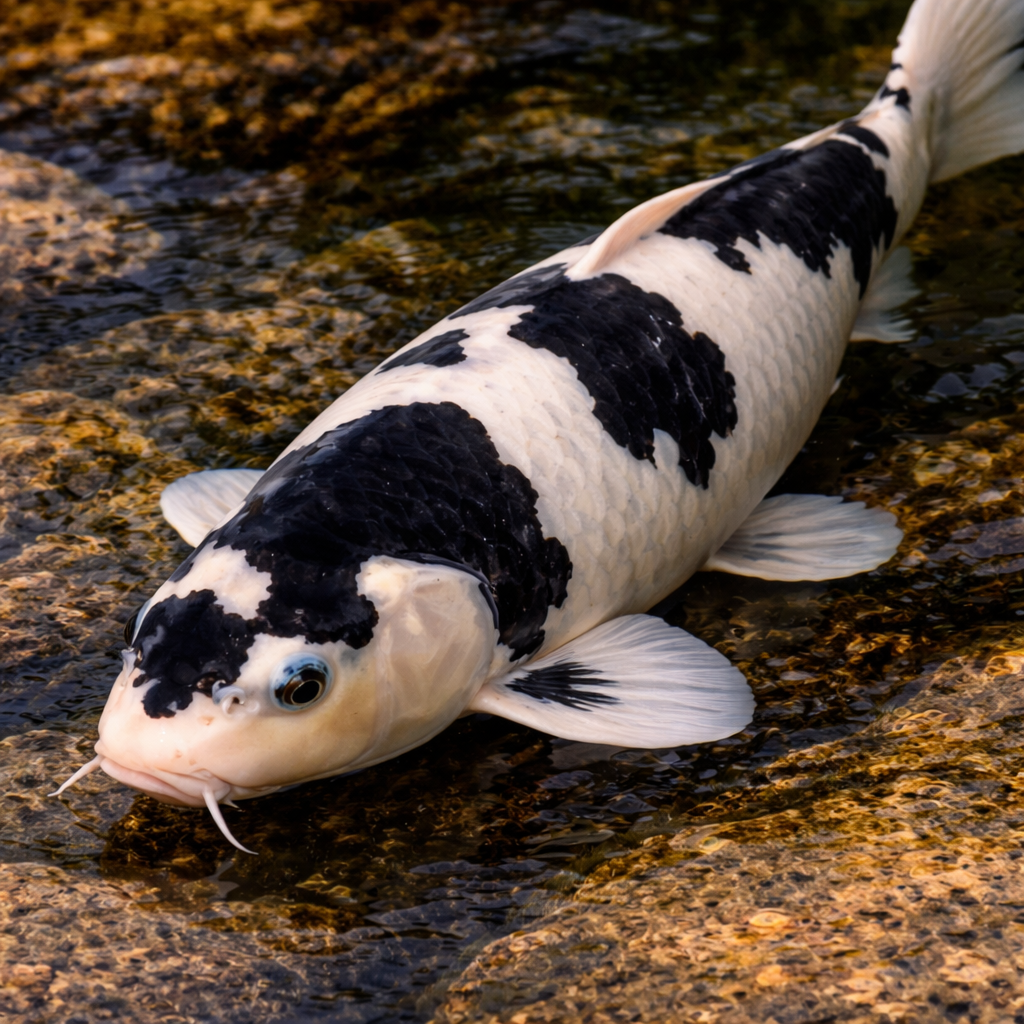 Shiro Utsuri is a black-and-white koi that stands out for its sharp contrast and powerful visual simplicity. Pond owners often love it because it reads clearly in the water and adds dramatic balance to a mixed collection.
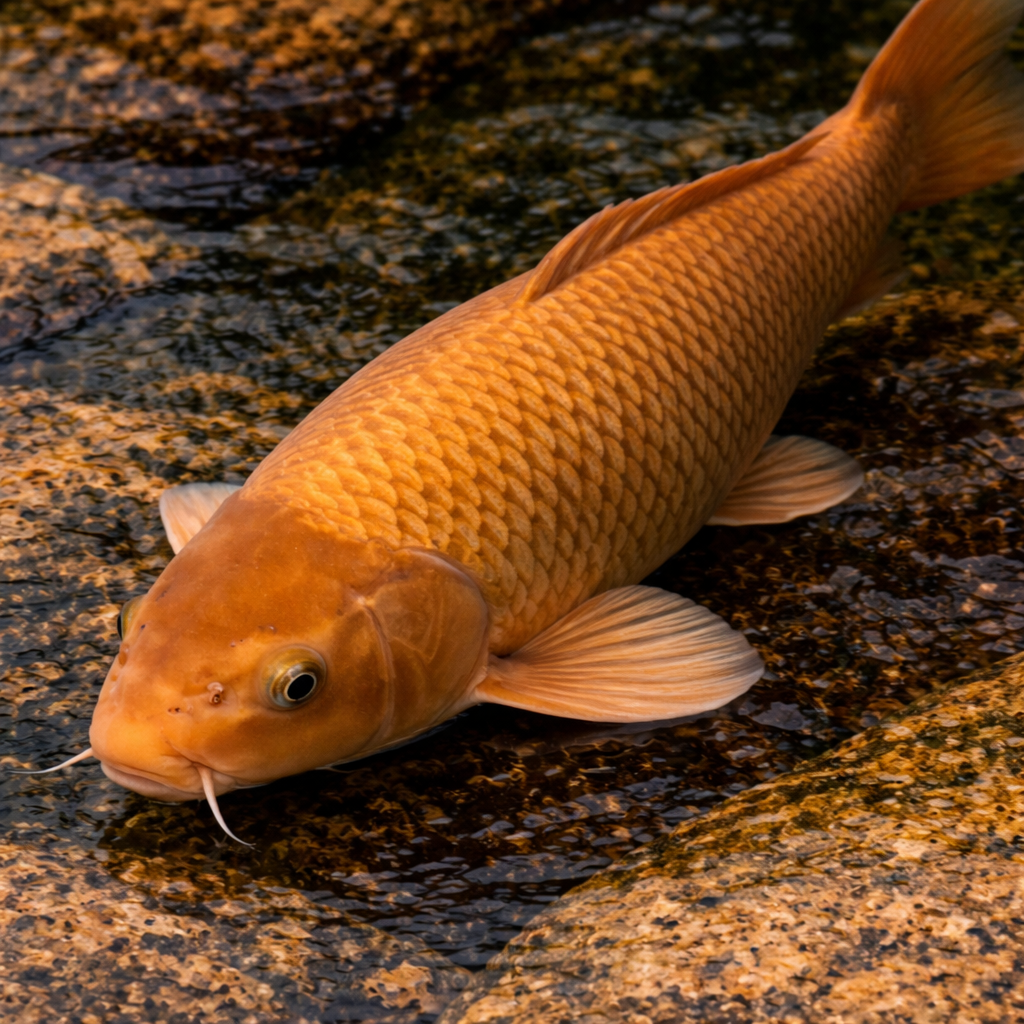 Chagoi is known for its warm brown coloring, strong growth, and friendly reputation among koi keepers. It may not be the flashiest fish in the pond, though it’s one of the most appreciated because of its size potential and calm presence.
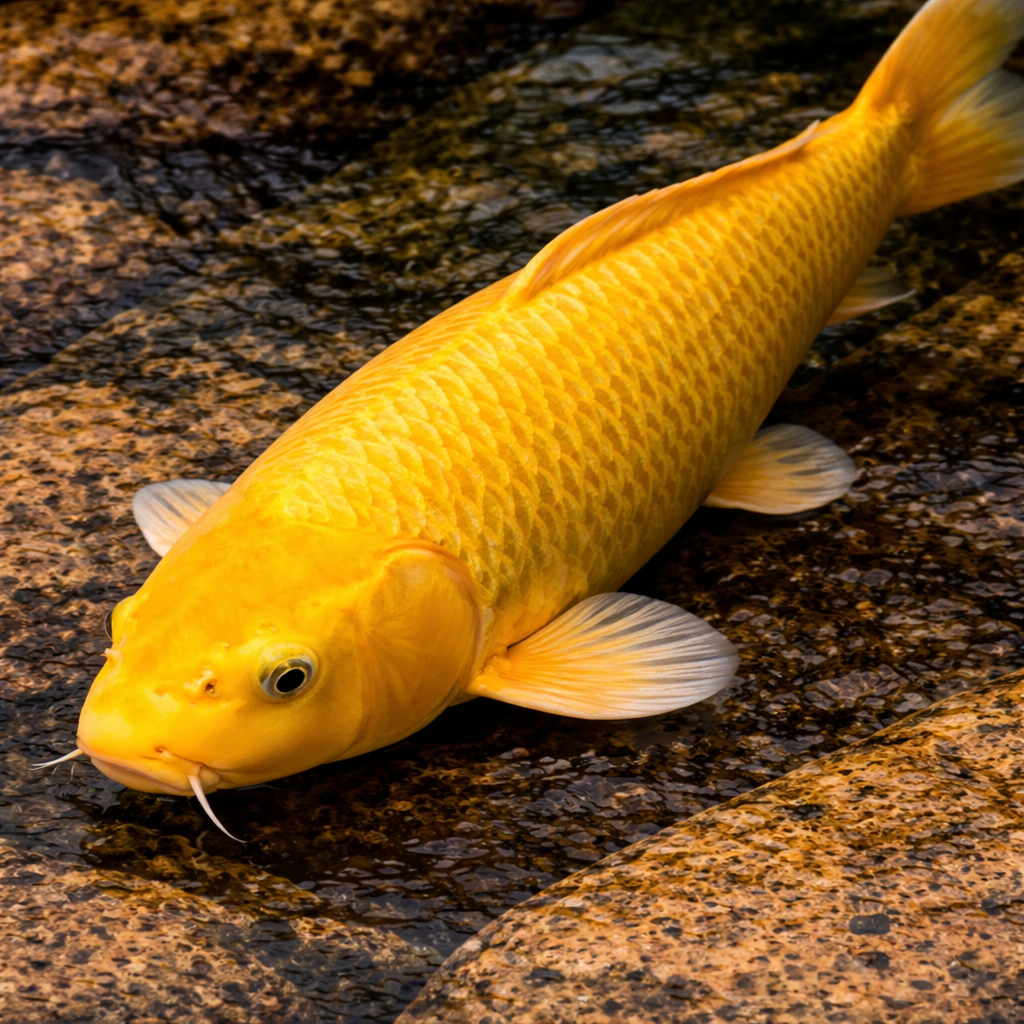 Yamabuki Ogon is a metallic yellow or gold koi that catches light beautifully and stays easy to spot across the pond. It’s widely recognized as one of the most popular metallic koi varieties.
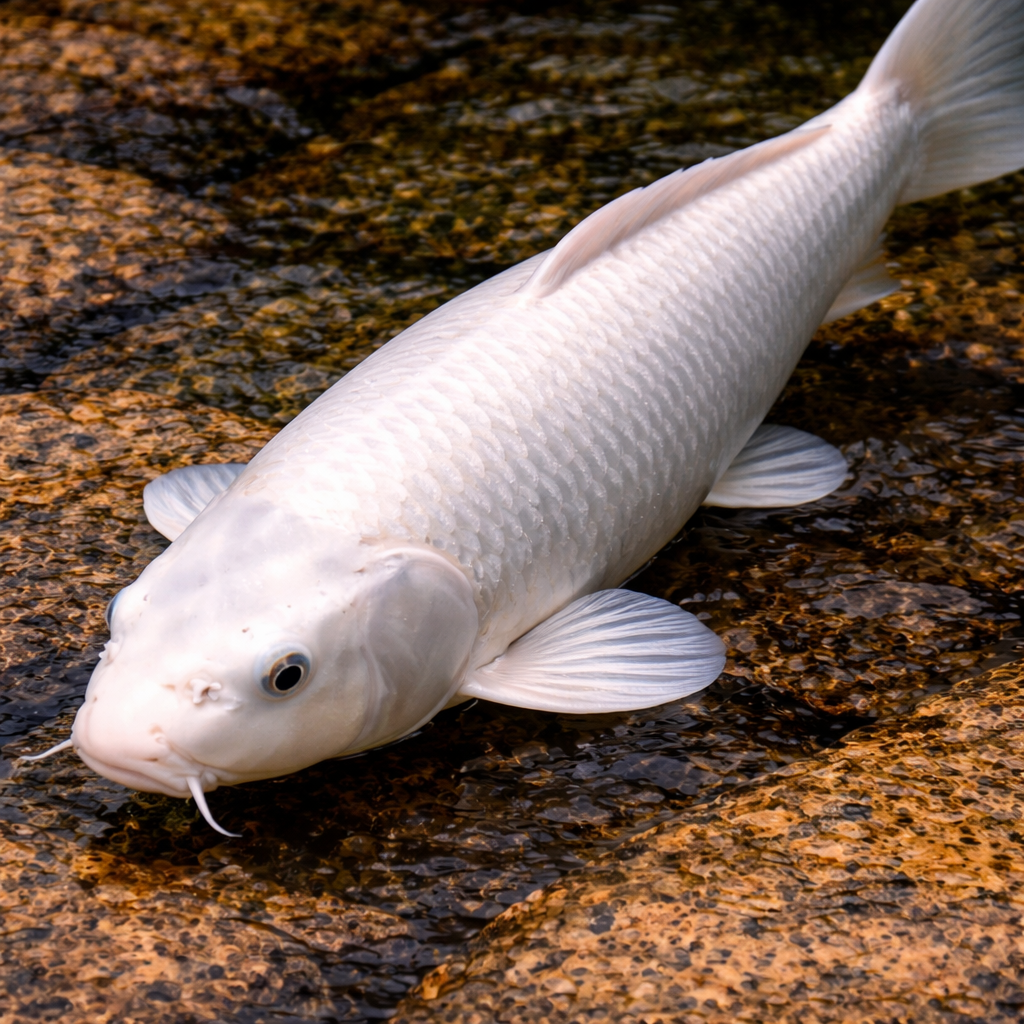 Platinum Ogon has a bright metallic white look that gives ponds a clean, reflective focal point. Buyers often choose it when they want a fish with high visibility and a polished, elegant appearance.
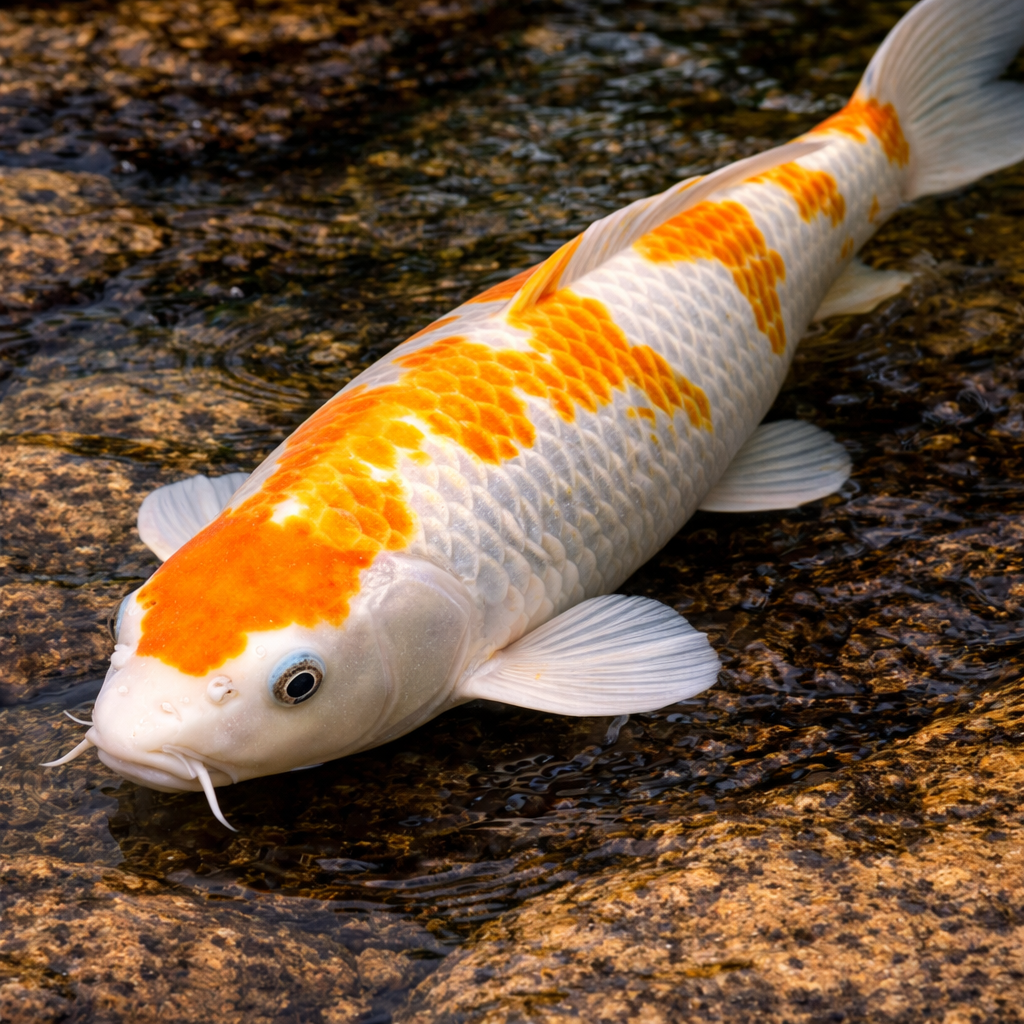 Hariwake combines metallic shine with patterned color, often in yellow or orange over a lighter base. It’s a popular pond choice because it brings brightness, contrast, and a more decorative look without feeling too complex.
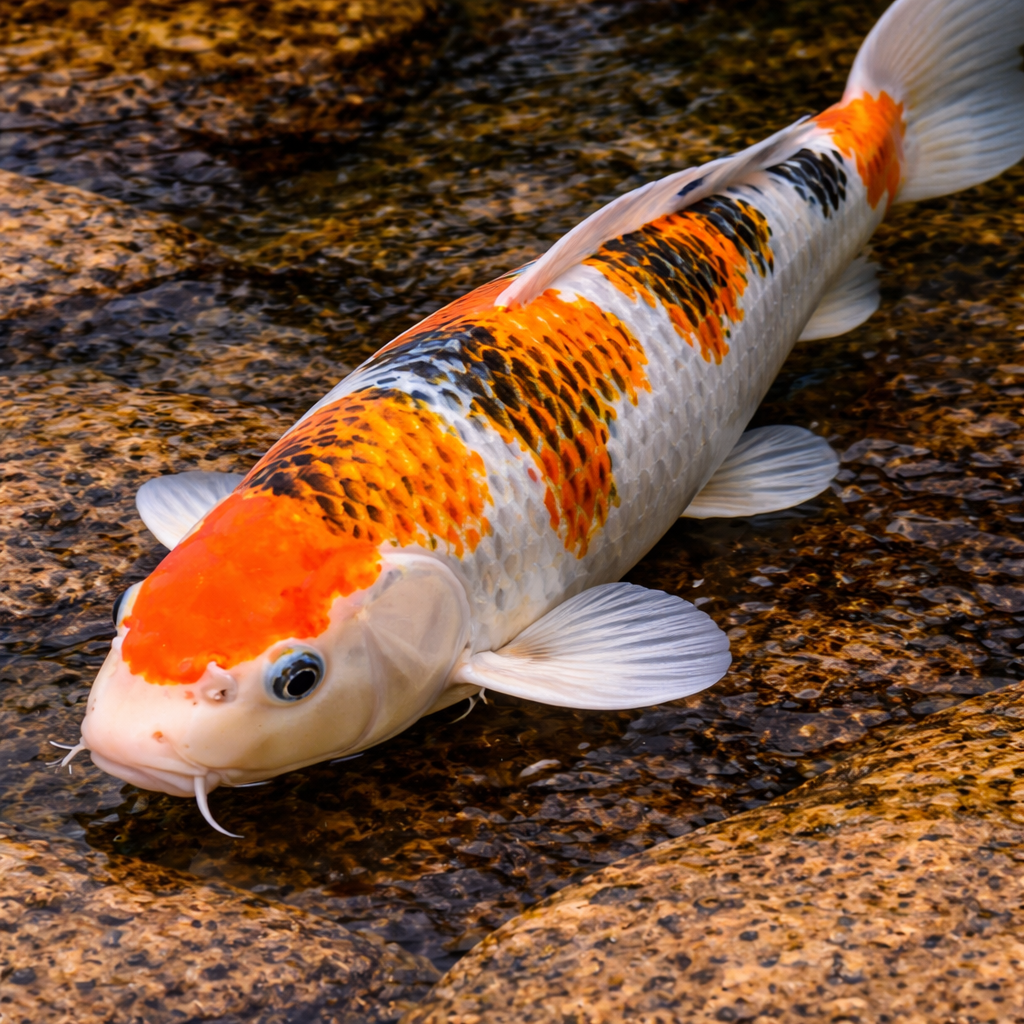 Kujaku stands out for its metallic sheen and net-like scale pattern, giving it a layered look that catches attention fast. It’s popular with buyers who want something bright, structured, and a little more detailed visually.
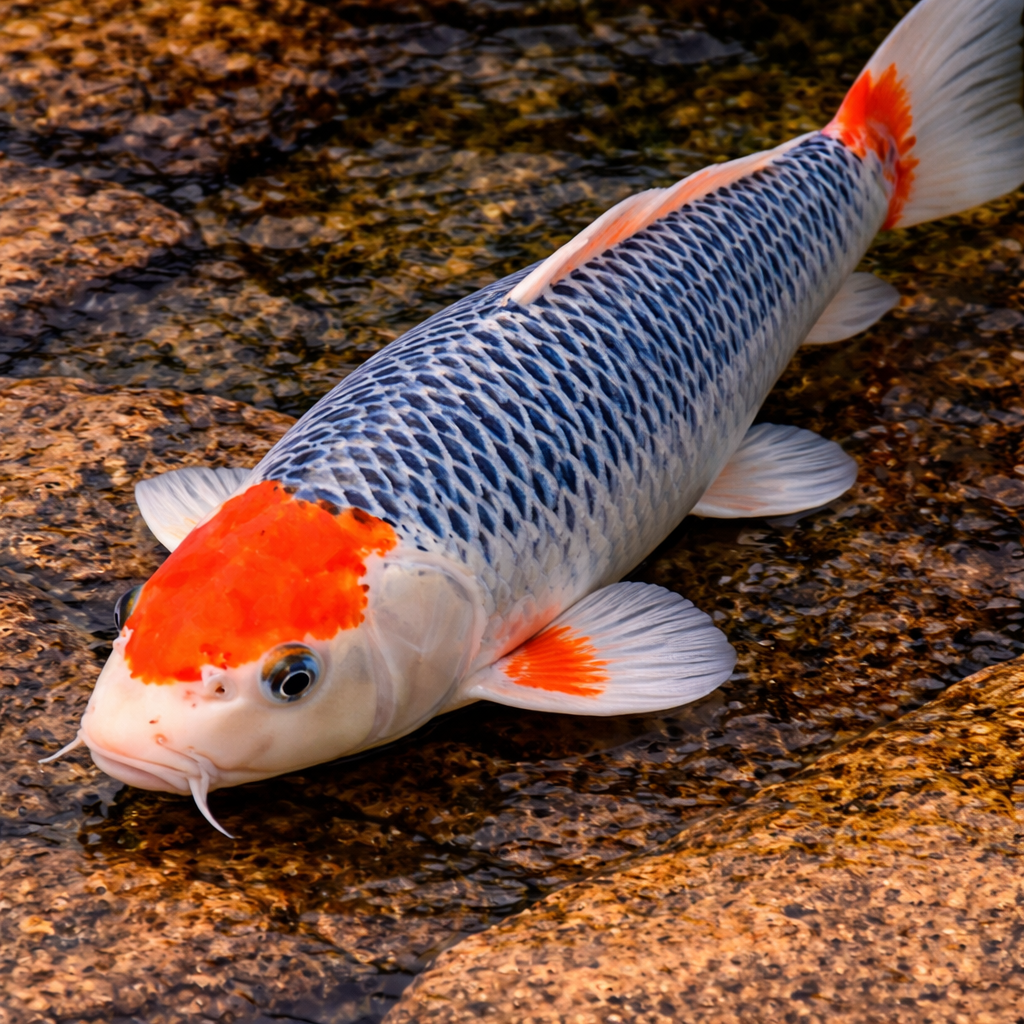 Asagi is one of the older and more traditional koi varieties, recognized for its blue-gray reticulated scaling and red accents. It’s a favorite for pond owners who want a quieter, more classic look with a lot of depth.
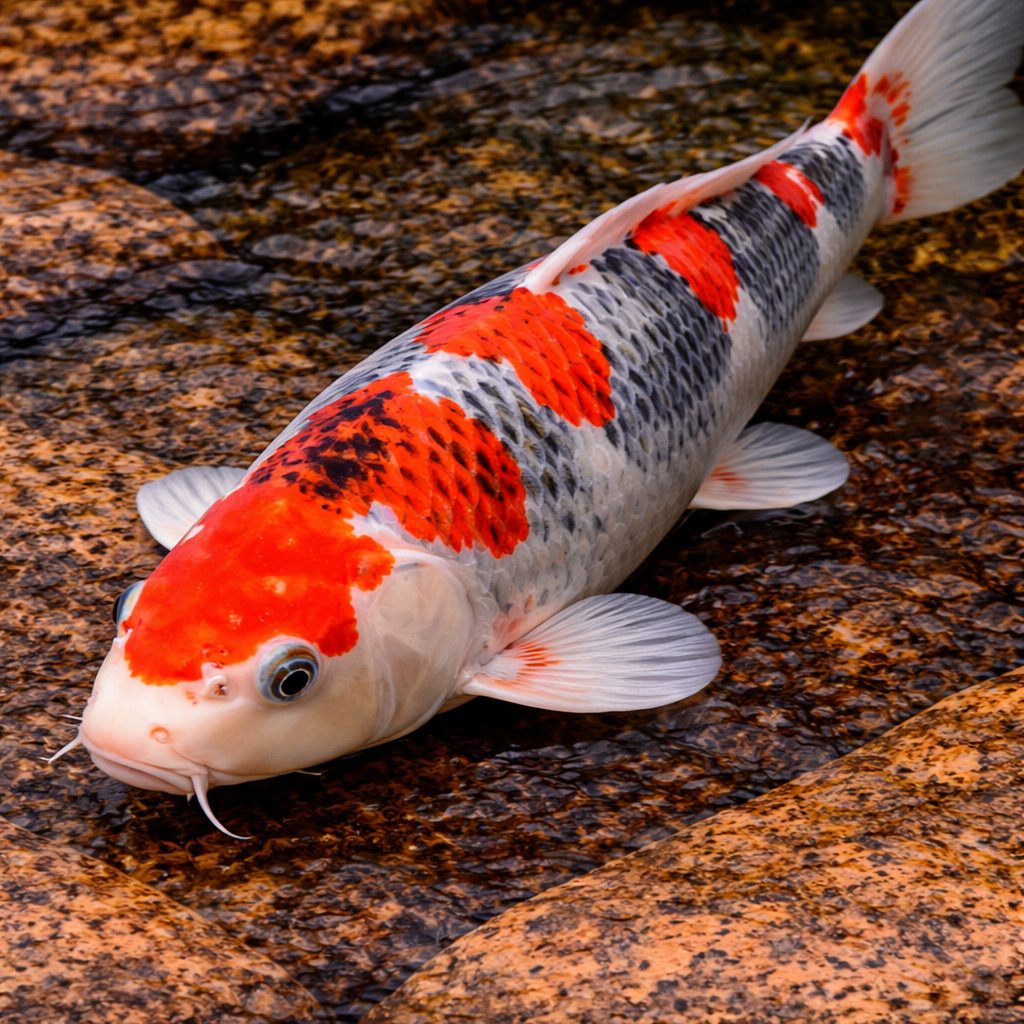 Goshiki is popular for its layered coloration and changing visual depth, often blending red patterning with darker reticulation underneath. Buyers are often drawn to it when they want a koi that feels rich, textured, and a little more unusual.
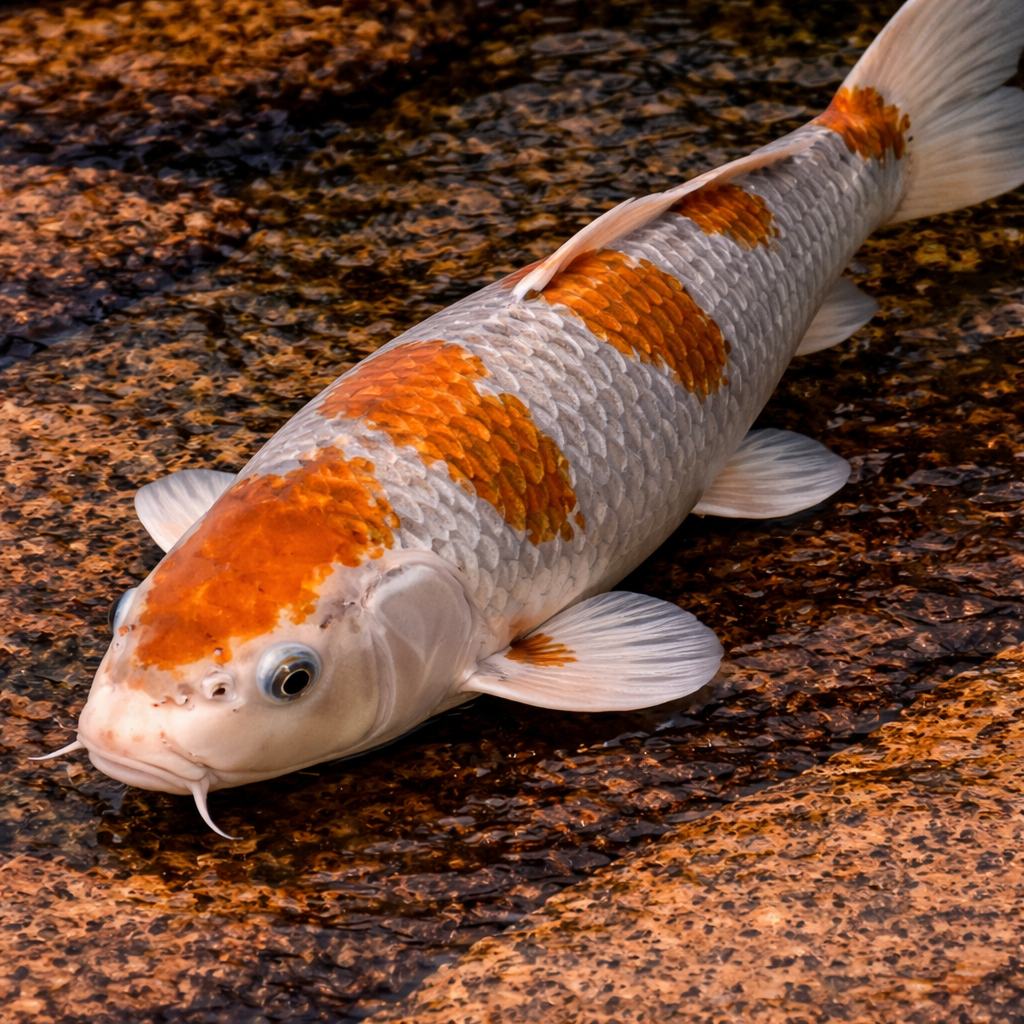 Ochiba is loved for its soft, earthy tones, often described as a leaves-on-water look. It’s a strong pond favorite because it adds warmth and contrast without competing too aggressively with brighter koi in the mix.